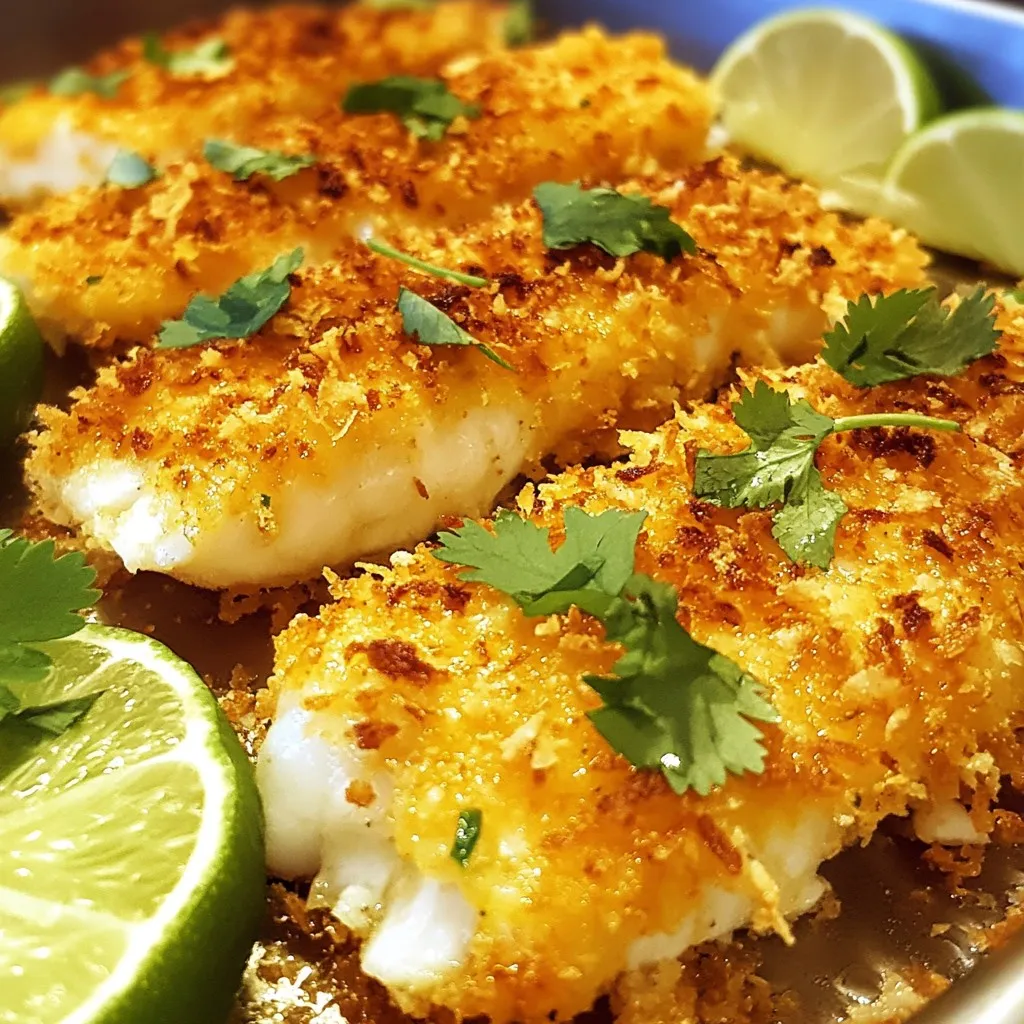
Coconut Crusted Tilapia Crispy and Flavorful Delight

WANT TO SAVE THIS RECIPE?

Are you ready to make a meal that sings with flavor and crunch? Coconut Crusted Tilapia is the dish you need! With a golden, crispy coating and tender fish inside, this recipe brings a tropical twist to your dinner table. I’ll guide you through every step, from choosing your ingredients to perfecting the fry. Get your taste buds ready for a delightful dining experience!

Why I Love This Recipe

  1. Delicious Flavor Combination: The sweet coconut crust pairs perfectly with the mild tilapia, creating a delightful contrast that makes each bite satisfying.
  2. Quick and Easy to Prepare: This recipe comes together in just 30 minutes, making it a great option for a weeknight dinner without sacrificing flavor.
  3. Healthy Choice: Tilapia is a lean source of protein, and using coconut oil for frying adds healthy fats without the heaviness of traditional frying oils.
  4. Versatile Serving Options: Pair the tilapia with fresh lime and cilantro, or serve it alongside a mango salsa for a tropical twist that brightens up the meal.

Ingredients

Main Ingredients

– 4 tilapia fillets

– 1 cup unsweetened shredded coconut

– 1 cup panko breadcrumbs

Seasoning and Coating

– 1 teaspoon garlic powder

– 1 teaspoon onion powder

– ½ teaspoon paprika

– ½ teaspoon salt

– ¼ teaspoon freshly ground black pepper

Additional Ingredients

– 2 large eggs, beaten

– ¼ cup all-purpose flour

– 3 tablespoons coconut oil, for frying

– Fresh lime wedges, for serving

– Fresh cilantro leaves, for garnish

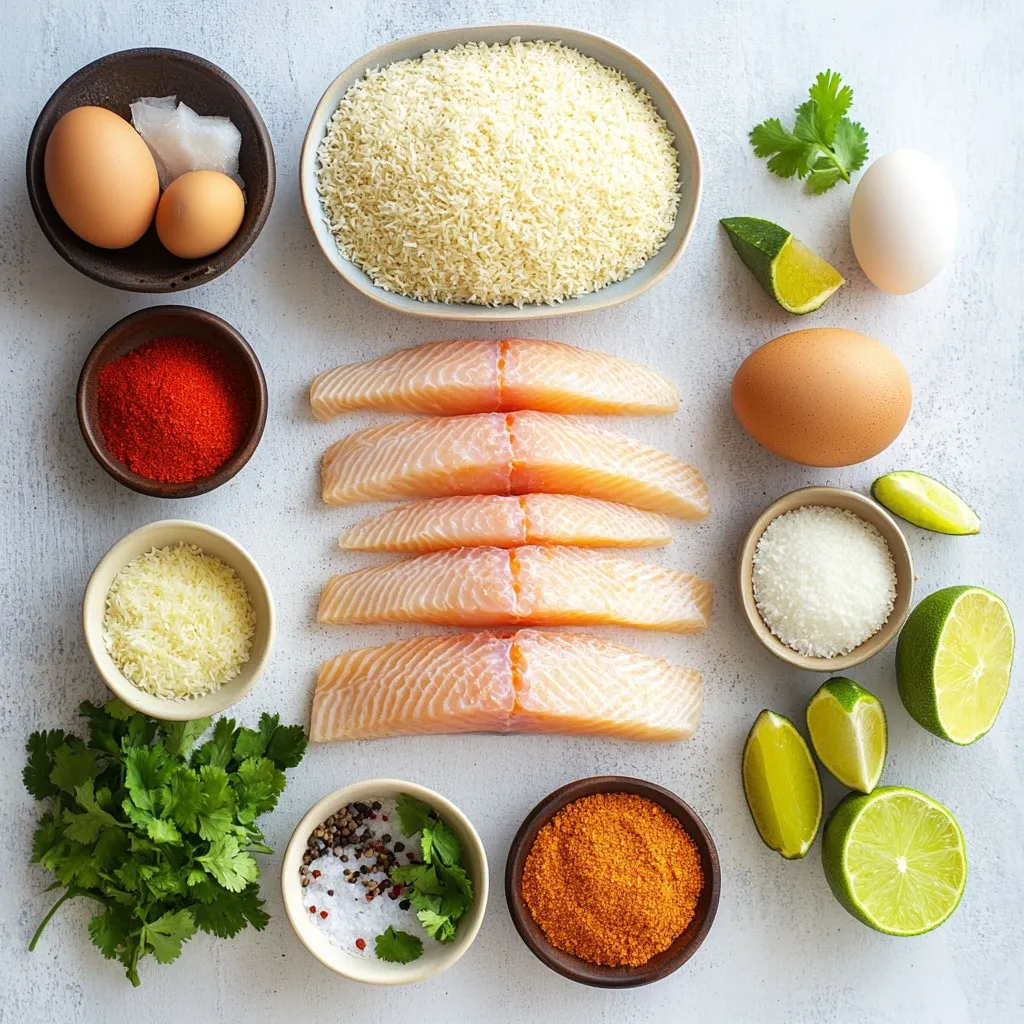
When I make coconut crusted tilapia, I focus on using fresh, high-quality ingredients. Tilapia is mild and cooks quickly, making it perfect for this dish. The unsweetened shredded coconut adds a sweet and nutty flavor. Panko breadcrumbs give a light and crispy texture that I love.

I like to season the coconut and breadcrumbs with garlic powder, onion powder, paprika, salt, and black pepper. These spices add depth and make every bite taste amazing. For coating, I use eggs and flour, which help the coconut stick well.

Coconut oil is my choice for frying. It gives a subtle coconut flavor and helps achieve that golden crust. I always serve the tilapia with lime wedges and fresh cilantro. The lime adds a zesty kick that brightens the dish.
Step-by-Step Instructions

Preparing the Breading Station

Set up three shallow dishes for easy coating. In the first dish, mix together the shredded coconut, panko breadcrumbs, garlic powder, onion powder, paprika, salt, and black pepper. This blend gives your tilapia a great flavor. In the second dish, beat the two large eggs until well mixed. In the third dish, place the all-purpose flour for dredging.

Dredging the Tilapia

Take each tilapia fillet and lightly dust it with flour. Make sure all sides are coated but not too thick. Next, dip the fillet into the beaten eggs, letting any extra egg drip off. Finally, press the fillet into the coconut mixture. Ensure it is fully coated on both sides for a crispy finish.

Cooking the Tilapia

Heat three tablespoons of coconut oil in a large skillet over medium heat. Wait until the oil shimmers, which means it’s hot enough for frying. Make sure the oil covers the bottom of the skillet. Carefully place the coated tilapia fillets in the skillet. Avoid overcrowding the pan; fry in batches if needed. Cook for 3 to 4 minutes on each side. The fillets should turn golden brown when done. You can check for doneness by testing if the fish flakes easily with a fork.

Tips & Tricks

Achieving Perfect Crispiness

To get that perfect crispiness, the frying temperature matters a lot. Heat the coconut oil until it shimmers. This shows it’s hot enough for frying. If the oil isn’t hot enough, the fish will soak up the oil and lose its crunch.

Avoid overcrowding the skillet. If you add too many fillets at once, the temperature drops. This can lead to soggy fish. Fry in batches to keep the oil hot and the fish crispy.

Flavor Enhancements

You can add more flavor with extra spices. Try adding cayenne pepper for a kick. A bit of lemon zest can brighten the taste. These small changes can make a big difference.

For serving, consider sauces that add zest. A mango salsa pairs well with tilapia. A simple lime vinaigrette can also enhance the dish. These sauces make the meal even more exciting.

Cooking in Batches

When cooking multiple tilapia fillets, manage your time well. Cook them in smaller groups. This ensures each fillet gets enough space in the pan.

Once cooked, keep the fish warm. Place it on a plate in a low oven. This keeps it hot until you serve. It’s a great way to ensure everyone enjoys a warm meal.

Pro Tips

  1. Ensure Freshness: Always use fresh tilapia fillets for the best flavor and texture. If possible, buy from a trusted fishmonger or opt for frozen fillets that have been properly stored.
  2. Customize Your Coating: Feel free to add other spices or herbs to the coconut mixture according to your taste preferences, such as cayenne pepper for heat or dried parsley for an aromatic touch.
  3. Control the Temperature: Maintain a steady medium heat while frying to prevent the coconut from burning and ensure the fish cooks evenly throughout. Use a thermometer to monitor the oil temperature if needed.
  4. Serve Immediately: For the best texture and taste, serve the coconut crusted tilapia right after frying. This keeps the coating crispy and the fish tender.

Variations

Alternate Proteins

You can swap tilapia for other fish if you want. Cod or haddock works well. Both have a mild taste and cook nicely. You can also use shrimp or chicken. Shrimp adds a sweet bite, and chicken gives a hearty feel. Just make sure you adjust the cooking time. Shrimp cooks in just a few minutes, while chicken needs more time.

Dietary Adjustments

If you need a gluten-free option, use almond flour instead of all-purpose flour. It gives a nice nutty flavor and helps the crust stick. For a vegan take, use plant-based alternatives. Try using chickpea flour for the crust and a plant-based egg substitute. Both options make the dish friendly for different diets.

Flavor Variations

You can add tropical flavors by mixing in pineapple or mango. Add small pieces of these fruits to the coconut mix. This gives a sweet contrast to the fish. For a spicy twist, try adding cayenne pepper or chili powder to the crust. It gives the dish a kick and makes it more exciting.

Storage Info

Storing Leftovers

To keep your coconut crusted tilapia fresh, place it in an airtight container. Store it in the fridge. This way, it will stay tasty. It’s best to eat it within three days. After that, the flavor may fade.

Reheating Tips

When reheating coconut crusted tilapia, use an oven or skillet. Preheat your oven to 350°F (175°C). Place the fillets on a baking sheet. Heat for about 10 minutes. This method keeps the fish crispy. If you use a skillet, heat it over medium-low heat. Add a touch of oil if needed. Heat each side for about 3 minutes until warm.

Freezing Guidelines

Yes, you can freeze cooked tilapia. Allow it to cool first. Wrap each piece tightly in plastic wrap. Then place them in a freezer-safe bag. Use them within three months for the best taste. To thaw, move the fish to the fridge overnight. Reheat it gently to restore its crunch.

FAQs

What can I serve with coconut crusted tilapia?

You can pair coconut crusted tilapia with several tasty side dishes. Here are some great options:

Rice: Steamed jasmine or coconut rice complements the dish well.

Salad: A fresh green salad with lime vinaigrette adds a nice crunch.

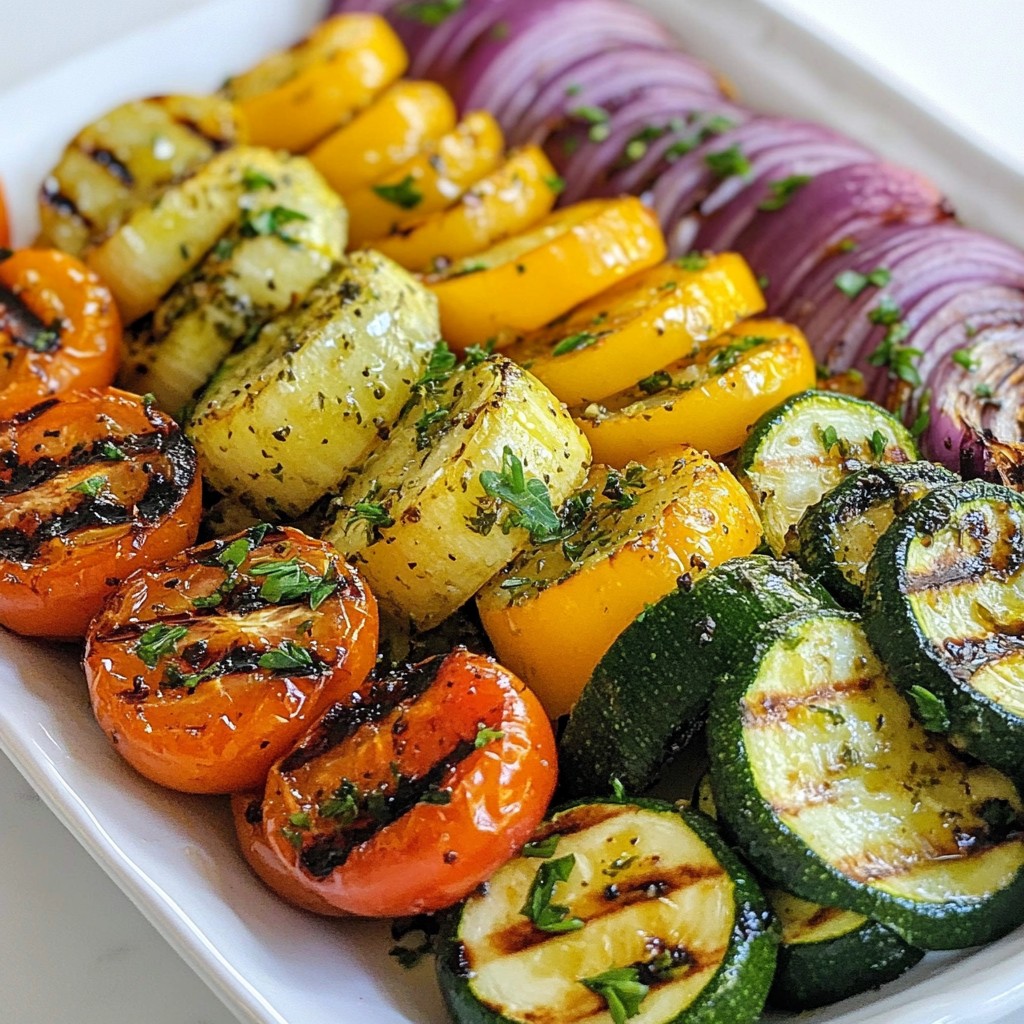
Veggies: Roasted or sautéed vegetables, like asparagus or bell peppers, enhance the meal.

Mango Salsa: This sweet and spicy salsa brings a tropical twist.

For sauces, consider these:

Sweet Chili Sauce: This adds a tangy kick.

Tartar Sauce: A classic choice that pairs perfectly with fish.

Coconut Cream Sauce: Drizzle some over the fish for a creamy touch.

How do I know when the fish is done?

You can tell if tilapia is cooked by checking for these signs:

Color: The fish should turn from translucent to opaque.

Texture: It should feel firm to the touch.

Flakiness: The fish should flake easily with a fork.

To test for flakiness, gently press the fish with a fork. If it flakes apart easily, it is done.

Can I bake the coconut crusted tilapia instead of frying?

Yes, you can bake coconut crusted tilapia for a healthier option. Here’s how:

Preheat your oven: Set it to 400°F (200°C).

Prepare the fish: Follow the same breading process.

Place on a baking sheet: Use parchment paper for easy cleanup.

Cooking time: Bake for about 15-20 minutes or until golden brown.

Keep an eye on the fish to avoid overcooking. The internal temperature should reach 145°F (63°C).

Coconut crusted tilapia is a tasty dish that is easy to make. We discussed the key ingredients and how to prepare them. The cooking steps were simple and clear, helping you create the perfect crispy fish. Remember, you can adapt this recipe with different proteins or flavors. Store and reheat leftovers to keep them fresh. With these tips, you can enjoy this dish any time. Try it out and impress your friends and family. The joy of cooking await
- 4 tilapia fillets - 1 cup unsweetened shredded coconut - 1 cup panko breadcrumbs - 1 teaspoon garlic powder - 1 teaspoon onion powder - ½ teaspoon paprika - ½ teaspoon salt - ¼ teaspoon freshly ground black pepper - 2 large eggs, beaten - ¼ cup all-purpose flour - 3 tablespoons coconut oil, for frying - Fresh lime wedges, for serving - Fresh cilantro leaves, for garnish When I make coconut crusted tilapia, I focus on using fresh, high-quality ingredients. Tilapia is mild and cooks quickly, making it perfect for this dish. The unsweetened shredded coconut adds a sweet and nutty flavor. Panko breadcrumbs give a light and crispy texture that I love. I like to season the coconut and breadcrumbs with garlic powder, onion powder, paprika, salt, and black pepper. These spices add depth and make every bite taste amazing. For coating, I use eggs and flour, which help the coconut stick well. Coconut oil is my choice for frying. It gives a subtle coconut flavor and helps achieve that golden crust. I always serve the tilapia with lime wedges and fresh cilantro. The lime adds a zesty kick that brightens the dish. {{ingredient_image_2}} Set up three shallow dishes for easy coating. In the first dish, mix together the shredded coconut, panko breadcrumbs, garlic powder, onion powder, paprika, salt, and black pepper. This blend gives your tilapia a great flavor. In the second dish, beat the two large eggs until well mixed. In the third dish, place the all-purpose flour for dredging. Take each tilapia fillet and lightly dust it with flour. Make sure all sides are coated but not too thick. Next, dip the fillet into the beaten eggs, letting any extra egg drip off. Finally, press the fillet into the coconut mixture. Ensure it is fully coated on both sides for a crispy finish. Heat three tablespoons of coconut oil in a large skillet over medium heat. Wait until the oil shimmers, which means it's hot enough for frying. Make sure the oil covers the bottom of the skillet. Carefully place the coated tilapia fillets in the skillet. Avoid overcrowding the pan; fry in batches if needed. Cook for 3 to 4 minutes on each side. The fillets should turn golden brown when done. You can check for doneness by testing if the fish flakes easily with a fork. To get that perfect crispiness, the frying temperature matters a lot. Heat the coconut oil until it shimmers. This shows it’s hot enough for frying. If the oil isn’t hot enough, the fish will soak up the oil and lose its crunch. Avoid overcrowding the skillet. If you add too many fillets at once, the temperature drops. This can lead to soggy fish. Fry in batches to keep the oil hot and the fish crispy. You can add more flavor with extra spices. Try adding cayenne pepper for a kick. A bit of lemon zest can brighten the taste. These small changes can make a big difference. For serving, consider sauces that add zest. A mango salsa pairs well with tilapia. A simple lime vinaigrette can also enhance the dish. These sauces make the meal even more exciting. When cooking multiple tilapia fillets, manage your time well. Cook them in smaller groups. This ensures each fillet gets enough space in the pan. Once cooked, keep the fish warm. Place it on a plate in a low oven. This keeps it hot until you serve. It’s a great way to ensure everyone enjoys a warm meal. Pro Tips Ensure Freshness: Always use fresh tilapia fillets for the best flavor and texture. If possible, buy from a trusted fishmonger or opt for frozen fillets that have been properly stored. Customize Your Coating: Feel free to add other spices or herbs to the coconut mixture according to your taste preferences, such as cayenne pepper for heat or dried parsley for an aromatic touch. Control the Temperature: Maintain a steady medium heat while frying to prevent the coconut from burning and ensure the fish cooks evenly throughout. Use a thermometer to monitor the oil temperature if needed. Serve Immediately: For the best texture and taste, serve the coconut crusted tilapia right after frying. This keeps the coating crispy and the fish tender. {{image_4}} You can swap tilapia for other fish if you want. Cod or haddock works well. Both have a mild taste and cook nicely. You can also use shrimp or chicken. Shrimp adds a sweet bite, and chicken gives a hearty feel. Just make sure you adjust the cooking time. Shrimp cooks in just a few minutes, while chicken needs more time. If you need a gluten-free option, use almond flour instead of all-purpose flour. It gives a nice nutty flavor and helps the crust stick. For a vegan take, use plant-based alternatives. Try using chickpea flour for the crust and a plant-based egg substitute. Both options make the dish friendly for different diets. You can add tropical flavors by mixing in pineapple or mango. Add small pieces of these fruits to the coconut mix. This gives a sweet contrast to the fish. For a spicy twist, try adding cayenne pepper or chili powder to the crust. It gives the dish a kick and makes it more exciting. To keep your coconut crusted tilapia fresh, place it in an airtight container. Store it in the fridge. This way, it will stay tasty. It’s best to eat it within three days. After that, the flavor may fade. When reheating coconut crusted tilapia, use an oven or skillet. Preheat your oven to 350°F (175°C). Place the fillets on a baking sheet. Heat for about 10 minutes. This method keeps the fish crispy. If you use a skillet, heat it over medium-low heat. Add a touch of oil if needed. Heat each side for about 3 minutes until warm. Yes, you can freeze cooked tilapia. Allow it to cool first. Wrap each piece tightly in plastic wrap. Then place them in a freezer-safe bag. Use them within three months for the best taste. To thaw, move the fish to the fridge overnight. Reheat it gently to restore its crunch. You can pair coconut crusted tilapia with several tasty side dishes. Here are some great options: - Rice: Steamed jasmine or coconut rice complements the dish well. - Salad: A fresh green salad with lime vinaigrette adds a nice crunch. - Veggies: Roasted or sautéed vegetables, like asparagus or bell peppers, enhance the meal. - Mango Salsa: This sweet and spicy salsa brings a tropical twist. For sauces, consider these: - Sweet Chili Sauce: This adds a tangy kick. - Tartar Sauce: A classic choice that pairs perfectly with fish. - Coconut Cream Sauce: Drizzle some over the fish for a creamy touch. You can tell if tilapia is cooked by checking for these signs: - Color: The fish should turn from translucent to opaque. - Texture: It should feel firm to the touch. - Flakiness: The fish should flake easily with a fork. To test for flakiness, gently press the fish with a fork. If it flakes apart easily, it is done. Yes, you can bake coconut crusted tilapia for a healthier option. Here’s how: - Preheat your oven: Set it to 400°F (200°C). - Prepare the fish: Follow the same breading process. - Place on a baking sheet: Use parchment paper for easy cleanup. - Cooking time: Bake for about 15-20 minutes or until golden brown. Keep an eye on the fish to avoid overcooking. The internal temperature should reach 145°F (63°C). Coconut crusted tilapia is a tasty dish that is easy to make. We discussed the key ingredients and how to prepare them. The cooking steps were simple and clear, helping you create the perfect crispy fish. Remember, you can adapt this recipe with different proteins or flavors. Store and reheat leftovers to keep them fresh. With these tips, you can enjoy this dish any time. Try it out and impress your friends and family. The joy of cooking awaits!

Coconut Crusted Tilapia

A deliciously crispy tilapia fillet coated with coconut and panko breadcrumbs, perfect for a light meal.
Prep Time 15 minutes
Cook Time 15 minutes
Total Time 30 minutes
Course Main Course
Cuisine American
Servings 4
Calories 300 kcal

Ingredients
  

  • 4 fillets tilapia
  • 1 cup unsweetened shredded coconut
  • 1 cup panko breadcrumbs
  • 1 teaspoon garlic powder
  • 1 teaspoon onion powder
  • 0.5 teaspoon paprika
  • 0.5 teaspoon salt
  • 0.25 teaspoon freshly ground black pepper
  • 2 large eggs, beaten
  • 0.25 cup all-purpose flour
  • 3 tablespoons coconut oil, for frying
  • none fresh lime wedges, for serving
  • none fresh cilantro leaves, for garnish

Instructions
 

  • Prepare the Breading Station: Set up three shallow dishes. In the first dish, combine the shredded coconut, panko breadcrumbs, garlic powder, onion powder, paprika, salt, and black pepper. In the second dish, beat the eggs until fully mixed. In the third dish, place the flour for dredging.
  • Dredge the Fish: Take each tilapia fillet and lightly dust it with flour, ensuring all sides are coated. Next, dip the fillet into the beaten eggs, allowing the excess to drip off. Finally, press the fillet into the coconut mixture, making sure it is fully and evenly coated on both sides.
  • Heat the Oil: In a large skillet, heat the coconut oil over medium heat until it shimmers, indicating it is hot enough for frying. Ensure the oil covers the bottom of the skillet for even cooking.
  • Cook the Tilapia: Carefully place the coated tilapia fillets in the skillet. Be mindful not to overcrowd the pan; fry in batches if necessary. Cook for approximately 3-4 minutes on each side, or until the fillets are golden brown and cooked through—test for doneness by ensuring the fish flakes easily with a fork.
  • Drain and Serve: Once cooked, remove the tilapia fillets from the skillet and transfer them to a plate lined with paper towels to absorb any excess oil.
  • Garnish and Enjoy: Serve the warm coconut crusted tilapia garnished with fresh cilantro leaves, alongside lime wedges for a zesty squeeze of flavor over the fish.

Notes

For a colorful presentation, serve with mango salsa or a fresh green salad.
Keyword coconut, fried fish, seafood, tilapia

WANT TO SAVE THIS RECIPE?

Leave a Comment

Recipe Rating